
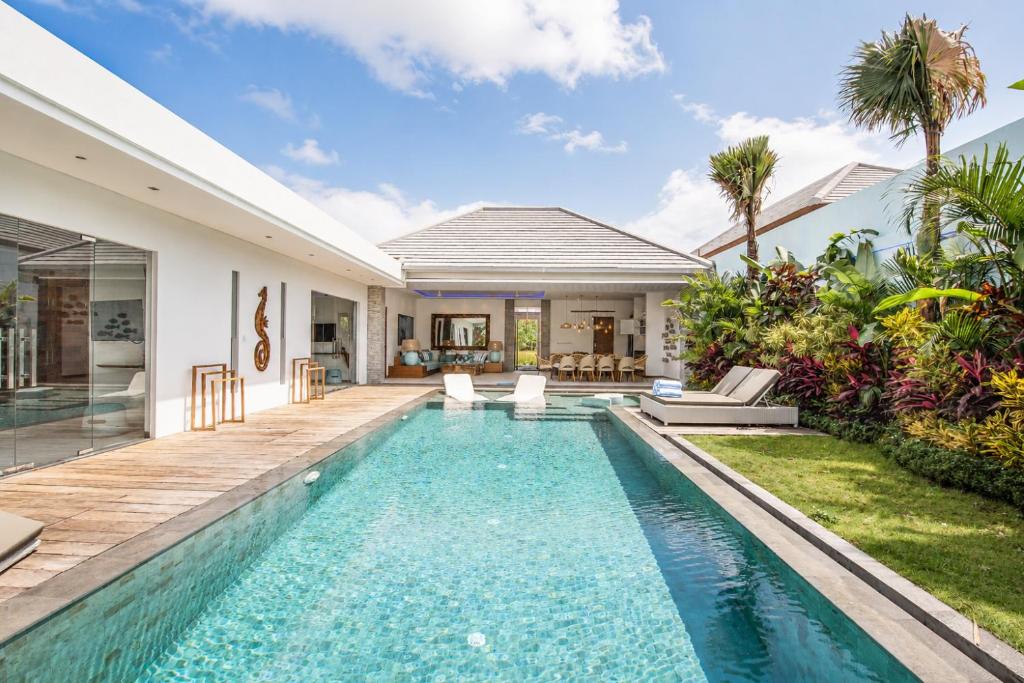

A pool looks its best when the garden around it works as hard as the water does. Aquarius Pools in Melbourne designs outdoor spaces where planting, paving, and structures support the pool instead of competing with it. Moreover, smart landscaping adds privacy, shade, and comfort. This article shares practical ideas for Melbourne backyards of every size.
Key Takeaways
- Landscaping should suit the pool style, the house, and the way the family lives.
- Hardy plants with few leaf drops keep cleaning time low and water cleaner.
- Slip-resistant paving in light colours stays cooler underfoot during hot summers.
- Screens, hedges, and pergolas add privacy and shade without crowding small yards.
- Native and drought-tolerant species suit Melbourne’s climate and cut watering needs.
- Lighting, seating, and outdoor kitchens extend the use of the space into the evening.
- Good drainage and retaining solutions protect both the pool and the garden.
- Planning landscaping together with the pool saves money and avoids rework.
Planning the Garden Around the Pool
Landscaping works best when it begins on the same day as the pool design. A shared plan lets the designer place paving, planting beds, and services in sensible positions. In addition, it prevents machinery from damaging new gardens later.
Start with a simple list of needs. Some owners want privacy, whereas others want play space or an entertaining area. Therefore, a clear brief keeps the layout focused and the budget realistic.
Choosing Plants That Suit Pool Zones
Plants near water must handle sun, splashes, and chlorine mist. Strappy species such as lomandra, dianella, and native grasses cope well and drop few leaves. For example, these plants keep their shape through hot spells and light frost.
Avoid trees that shed heavy debris, flowers, or sticky sap near the water. Nevertheless, a few well-chosen trees can still add shade at a safe distance. Check root spread before planting anywhere near the shell.
Paving and Decking Options
The surface around a pool affects comfort, safety, and appearance. Bluestone, limestone, and textured porcelain pavers offer good grip when wet. Light colours stay cooler, while dark stone can heat up quickly in summer sun.
Timber decking brings warmth and a relaxed feel. However, it needs regular sealing and careful drainage. Both pavers and decking can work well, provided the installer allows for water runoff.
Privacy Screens and Green Walls
Overlooked pools rarely feel relaxing. Slatted screens, tall hedges, and climbing plants block sight lines without making the yard feel boxed in. Furthermore, a green wall adds texture and cools the air nearby.
Bamboo in contained planters, clipped lilly pilly, and star jasmine are popular options. In particular, narrow plants suit small blocks where every centimetre counts. Always check fence height rules and boundary requirements before building.
Shade Structures for Summer Comfort
Melbourne summers can bring intense heat. A pergola, shade sail, or cabana gives adults a place to rest and protects skin. Additionally, covered areas keep outdoor furniture in better condition.
Position structures to follow the sun’s path through the day. Consequently, the shade falls where families sit, not where it blocks the view. Retractable louvres add flexibility for cooler months.
Lawn, Turf, and Low-Water Alternatives
A small patch of lawn gives children a soft place to play. However, grass needs mowing, water, and fertiliser. Synthetic turf and clover mixes offer lower-maintenance alternatives for some households.
Gravel, mulch, and groundcovers also reduce watering needs. For instance, creeping thyme and native violets fill gaps between pavers neatly. Keep loose gravel away from the pool edge, since it can blow into the water.
Water-Wise and Native Planting
Melbourne gardens benefit from plants that tolerate dry spells. Native species such as correa, kangaroo paw, and westringia thrive with modest watering. As a result, owners save time, money, and water across the year.
Mulching helps too. A thick layer locks in moisture and suppresses weeds. In addition, drip irrigation delivers water straight to the roots and wastes far less than sprinklers.
Drainage, Retaining Walls, and Levels
Heavy rain can push water toward the pool and across paving. Good drainage keeps the area safe and protects the structure. Specifically, designers use sloped paving, channel drains, and stormwater connections.
Sloping blocks often need retaining walls. They create flat terraces for seating and planting. Not only do these walls hold the soil, but they also add visual interest to the yard.
Lighting and Outdoor Living Features
Garden lighting makes the pool area usable after dark. Low-glare path lights, uplights on trees, and soft wall washes create depth. Moreover, solar and LED options keep power use low.
Outdoor kitchens, fire pits, and built-in seating turn the yard into a social hub. Meanwhile, simple touches such as large planters or water bowls add personality. Choose features that match the size of the space.
Maintenance Habits for a Healthy Garden
Even a low-maintenance landscape needs regular care. Prune plants that hang over the water, sweep paving, and clear leaves from skimmer baskets. In addition, check irrigation lines each season for leaks.
A seasonal routine keeps small jobs from piling up. Owners who stay consistent usually enjoy a cleaner pool and a healthier garden. Indeed, a little attention each week prevents major repairs later.


