
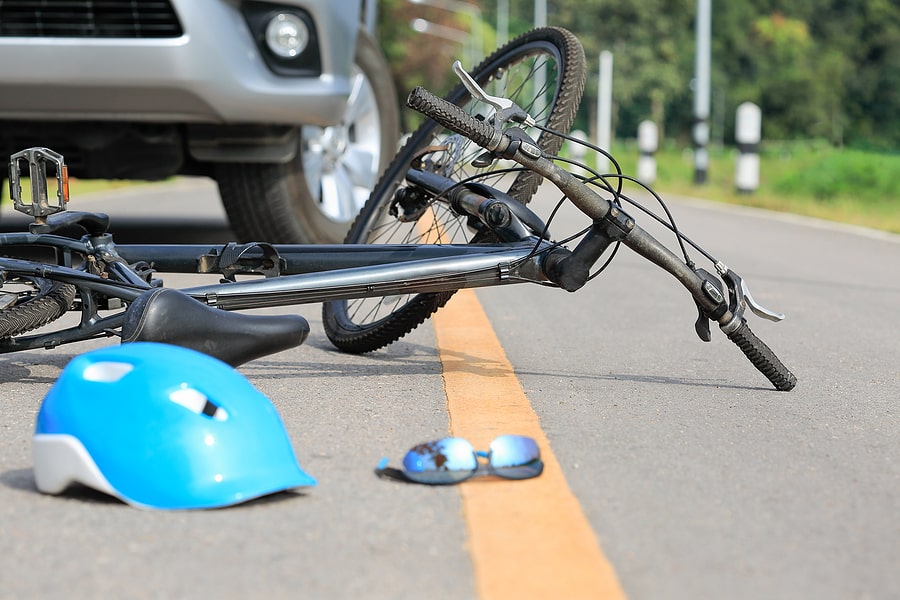

Busy intersections can become dangerous when drivers and cyclists read the same traffic situation differently. Right-of-way rules help determine who should proceed, but visibility problems, rushed turns, and unclear road markings often lead to a bicycle accident. Understanding these common scenarios can show why fault in bicycle accident cases depends on more than where the collision occurred.
Left-Turning Drivers Must Wait for Cyclists Traveling Straight
Motorists turning left generally need to yield to approaching traffic that is close enough to create an immediate hazard, including bicycles moving through the intersection. Drivers sometimes misjudge a cyclist’s speed or fail to notice the rider behind another vehicle, causing the car to cross directly into the bicycle’s path. Evidence such as traffic-camera footage, impact damage, witness accounts, and signal timing may help establish whether the cyclist had the right of way before the bicycle crash.
What Happens When a Driver Turns Across a Bike Lane?
Right-turn collisions often happen when a motorist passes a cyclist and immediately cuts across a marked bike lane. Cyclists traveling straight may have the right of way, while the turning driver must check mirrors, signal, and wait until the lane is clear. Poorly placed signs or faded markings can add confusion, but they do not remove the driver’s duty to watch for nearby road users.
Large vehicles create an added danger because their blind spots can hide riders traveling beside the passenger side. Trucks and buses may also swing wide before turning, leading a cyclist to believe the vehicle will continue straight. Investigators reviewing these bicycle accident claims often study mirror positions, vehicle cameras, turn signals, road design, and the location of damage on both the bicycle and vehicle.
Stop Signs Can Create Disputes About Who Arrived First
Four-way stops rely on arrival order, complete stops, and clear communication between road users. A bike accident may occur when a driver rolls through the sign, assumes the cyclist will yield, or enters before a rider who stopped first. Police reports and independent witnesses can become especially useful because the final positions of the bicycle and car may not reveal who had permission to proceed.
Uncontrolled Intersections Leave More Room for Misjudgment
Intersections without signals or stop signs require drivers and cyclists to follow local yielding rules while watching for traffic from several directions. Vehicles entering from smaller roads may need to yield to those already traveling on the main route, yet drivers sometimes pull forward because they overlook a bicycle or mistake its distance.
Sight obstructions can make these locations even more hazardous. Parked cars, fences, landscaping, utility boxes, and construction equipment may block a rider until the final seconds before impact. Bicycle accident cases involving obstructed views may require photographs, property records, street measurements, and testimony about whether either party had enough time to see and avoid the collision.
Driveways and Parking Lots Are Still Right-of-Way Trouble Spots
Drivers leaving driveways, garages, alleys, and parking lots usually must yield before entering a sidewalk, bike lane, or public road. A bicycle crash can occur when a vehicle noses forward without stopping or blocks the rider’s path while waiting for a gap in traffic. Store cameras, doorbell footage, vehicle damage, and tire marks may help show whether the cyclist was already occupying the travel area.
Do Cyclists Have the Right of Way in Crosswalks?
Crosswalk rules can become complicated because a person riding a bicycle may be treated differently from someone who dismounts and walks it. Local law may determine whether cyclists can legally ride through a crosswalk, whether drivers must yield, and what duties apply at signals. Insurers often focus on these distinctions while arguing over responsibility for a bicycle accident.
Marked crossings do not give any road user permission to enter without looking. A cyclist who moves suddenly from a sidewalk into traffic may create a difficult stopping situation, while a driver who turns without checking the crosswalk may still be careless. Legal analysis typically considers speed, visibility, signal status, local ordinances, and the amount of time each person had to react.
Roundabouts Require Drivers to Watch Beyond the Nearest Car
Roundabouts depend on entering traffic yielding to road users already circulating inside. Cyclists may ride with vehicle traffic or use a separate bicycle path, depending on the intersection’s design. Confusion arises when motorists focus only on cars and fail to notice a bicycle approaching from the left.
Lane changes inside multi-lane roundabouts can produce another type of bicycle accident. A driver may exit from an inner lane, move across the cyclist’s route, or pass too closely near the edge of the circle. Road diagrams, overhead video, lane markings, and vehicle positioning can help explain which route each party followed.
Green Lights Do Not Remove the Duty to Yield
Traffic signals assign movement, but a green light does not always give a driver an unrestricted path. Turning motorists may still need to yield to cyclists traveling straight, and riders must obey red lights, bicycle signals, and other controls that apply to their direction.
Timing disputes often arise after a bicycle crash because each party may claim to have entered on green. Signal-cycle records, camera footage, witness statements, and electronic data can help reconstruct the sequence more accurately than memory alone.
The Lackey Law Firm can examine right-of-way rules, roadway evidence, medical records, witness accounts, and insurance arguments connected to bicycle accident claims. Their legal team helps injured cyclists identify how turning movements, stop signs, crosswalks, driveways, or traffic signals may affect fault, giving bicycle accident cases a clearer factual and legal foundation.


