
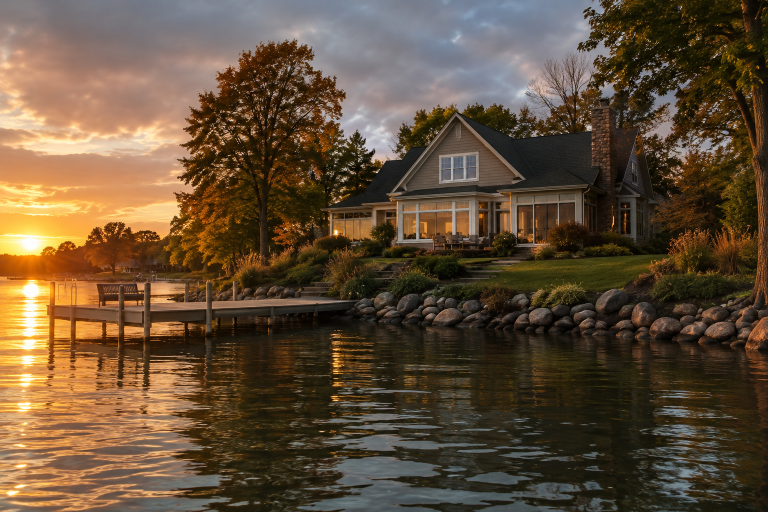
A Practical Checklist for Buying a Waterfront Home in Northern Indiana

Key Takeaways
- Waterfront homes require a closer review of the land, shoreline, access rights, and utilities.
- Flood exposure, drainage, insurance, and exterior condition should be evaluated early.
- Private wells and septic systems need their own inspections and documentation.
- A lower purchase price may not mean lower ownership costs if major repairs are ahead.
- The best lake home is one that supports your intended routine in every season.
Buying near Lake Tippecanoe, Lake Wawasee, Webster Lake, or Winona Lake means choosing more than a house with a scenic view. Shoreline condition, water access, winter use, utilities, insurance, and long-term maintenance can all influence whether a property fits your plans.
For buyers who want an area-specific perspective, Lake Tippecanoe IN real estate experts Deb Paton Showley Group provide waterfront property searches, community information, and real estate guidance across Kosciusko County. Deb Paton Showley Group serves areas including Warsaw, Syracuse, Winona Lake, Leesburg, and North Webster, giving buyers useful local context when comparing lake settings, access, and year-round living needs.
1. Decide How You Will Use the Property
Start by defining the role the home will play in your life. A full-time residence may require reliable winter road access, strong insulation, dependable heating, a home office, and practical storage. A weekend cottage may place greater value on a dock, guest accommodations, outdoor gathering areas, and easy access to the water.
Consider whether the property is intended for retirement, multi-generational visits, seasonal recreation, or future rental, where local rules permit. Your answer should shape which compromises are acceptable before you begin comparing homes.
2. Study the Waterfront, Not Just the House
A lakefront showing should include time outside. Ask for the measured shoreline frontage, then observe whether the water is reached by a beach, seawall, riprap, steps, or a slope. Notice standing water, uneven ground, erosion, damaged retaining walls, and the condition of the dock or pier.
- Ask whether the home sits on a main lake, channel, inlet, or shared water area.
- Confirm which dock, lift, storage area, and shoreline improvements belong with the property.
- Request written details about shared shoreline responsibilities and existing permits.
- Ask about boat restrictions, association rules, and limitations on future shoreline work.
3. Review Flood Risk and Insurance Early
Living near water does not automatically mean flood insurance is required, but buyers should not make assumptions. Review the property address through the FEMA Flood Map Service Center, then speak with an insurance professional about homeowners coverage, flood coverage, deductibles, and lender requirements.
Also ask the seller about prior water intrusion, drainage work, sump pump use, and insurance claims when disclosures and local practice allow. A home’s elevation, basement condition, grading, and runoff patterns can matter as much as its distance from the shoreline.
4. Inspect the Structure and Exterior
Lake environments can expose a home to moisture, wind, freeze-thaw cycles, and heavy seasonal use. Hire a qualified inspector and attend the inspection when possible. Older cottages, converted seasonal homes, crawl spaces, and additions deserve particularly careful attention.
- Foundation walls, basements, crawl spaces, and signs of moisture.
- Roof age, flashing, gutters, downspouts, and grading.
- Windows, exterior doors, siding, trim, decks, stairs, and railings.
- Walkways, retaining walls, porches, and exterior electrical components.
5. Test the Well and Review the Septic System
Some Northern Indiana lake homes rely on private wells and septic systems. Request records showing the septic system’s location, age, capacity, service history, and most recent pumping. Confirm that the system is appropriate for the home’s number of bedrooms, and watch for odors, wet areas, or unusually soft ground near the drain field.
Water quality deserves separate attention. The EPA recommends annual testing for common private-well concerns, including total coliform bacteria, nitrates, total dissolved solids, and pH. During a purchase, use a certified laboratory and discuss the results with the appropriate professionals before the inspection period expires.
6. Confirm Access, Easements, and Boundaries
Waterfront ownership can involve legal rights that are not visible from the yard. Review the survey, title commitment, deed, recorded easements, association documents, and private-road agreements. A neighboring owner may have access rights across part of a lot, or a shared drive may carry maintenance obligations.
Verify the boundary lines, shared docks, utility easements, and lake-access rights before closing. If any document is unclear, seek advice from the appropriate real estate and legal professionals rather than relying on a verbal explanation.
7. Budget for the Full Cost of Ownership
Build a budget that goes beyond the mortgage payment. Include property taxes, homeowners and flood insurance, utilities, tree care, snow removal, dock service, boat storage, shoreline maintenance, well and septic upkeep, and association fees where applicable.
A lower-priced cottage can become the more expensive choice if it needs a roof, seawall repair, insulation upgrades, septic work, or extensive drainage improvements. Obtain estimates for major concerns before making final decisions about price, repair requests, or credits.
8. Compare Community Convenience and Seasonal Conditions
Tour the surrounding area at different times when possible. Check travel time to groceries, medical care, schools, restaurants, and work. Test cell reception and internet availability, and consider road conditions during winter. A quiet channel can suit buyers seeking calm water and privacy, while a larger all-sports lake may better suit frequent boating and social activity.
9. Build an Offer Around Verified Facts
Before submitting an offer, gather comparable sales, insurance estimates, inspection findings, well and septic information, survey details, dock documentation, and repair estimates. Address financing, appraisal, inspection timelines, personal property, and closing dates in writing. Do not assume that a boat lift, dock sections, furnishings, generator, or watercraft will remain unless the contract specifically includes them.
Common Questions About Northern Indiana Lake Homes
What should buyers inspect first?
Begin with the shoreline, drainage, foundation, roof, dock, well, septic system, and insurance requirements. These items can affect both safety and ownership costs.
Are waterfront homes always more expensive to maintain?
Not always. However, exposure to moisture, trees, docks, seawalls, seasonal systems, and shoreline upkeep can add maintenance responsibilities that a typical neighborhood home may not have.
What is the biggest mistake buyers make?
Focusing only on the view. A beautiful setting cannot correct unclear access rights, poor drainage, expensive deferred maintenance, or a layout that does not work during a Northern Indiana winter.
Buy the Property That Works Beyond the View
Waterfront ownership can create space for recreation, quiet mornings, and memorable time with family and friends. A careful review of the shoreline, structure, utilities, insurance, access rights, community, and annual costs helps you make a more confident purchase decision.


